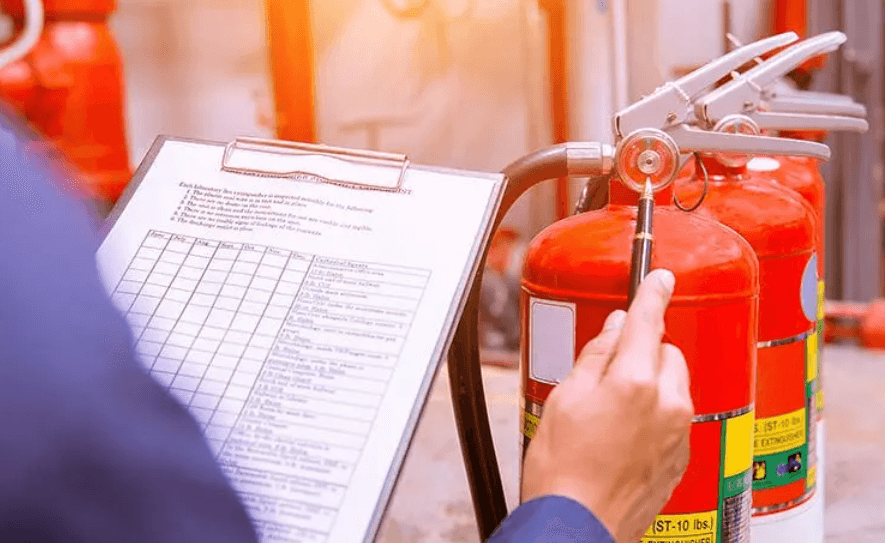
A Fire Risk Assessment plays a major role in how insurers evaluate risk. Insurance providers rely on fire safety controls to determine the likelihood of loss, severity of damage, and overall insurability of a property.
Premises with a thorough and well-maintained Fire Risk Assessment are generally considered lower risk. This can result in better policy terms, lower premiums, and fewer exclusions. Poor fire safety management often leads to higher costs or limited coverage.
Understanding this relationship helps businesses protect both safety and finances.
Fire Risk Assessment as a Policy Requirement
Many insurance policies require a Fire Risk Assessment as a condition of coverage. Insurers may specify that assessments must be suitable, sufficient, and kept up to date.
Failure to comply with policy conditions can invalidate cover, even if a fire is unrelated to the identified risks. This makes maintaining a current Fire Risk Assessment essential for ongoing insurance protection.
Policy wording should always be reviewed carefully.
See Also: How Scalable Software Technology Works
How Insurers Use Fire Risk Assessment Information
Insurers may request copies of Fire Risk Assessment documentation during underwriting or renewal. They use this information to assess fire hazards, control measures, and management standards.
High-risk features such as poor compartmentation, inadequate detection systems, or lack of training can influence decisions. Insurers may impose conditions requiring improvements to be made within specific timeframes.
Meeting these conditions supports continued coverage.
Impact on Premiums and Excess Levels
A well-managed Fire Risk Assessment can positively influence insurance premiums. Effective fire prevention measures reduce the likelihood of claims, which insurers often reward through reduced costs.
Conversely, poor fire safety management can result in increased premiums, higher excess levels, or refusal to insure. Investing in fire safety often leads to long-term financial benefits.
Prevention is usually more cost-effective than recovery.
Fire Risk Assessment and Claims Investigations
After a fire incident, insurers often investigate whether a Fire Risk Assessment was in place and properly implemented. Investigators look at compliance with legal and policy requirements.
If significant failures are identified, insurers may reduce or refuse payouts. Even partial non-compliance can complicate claims and lead to lengthy disputes.
Accurate documentation supports successful claims.
Common Insurance Issues Linked to Fire Risk Assessment
Common issues include outdated assessments, unaddressed actions, and missing maintenance records. Insurers may also identify discrepancies between documented controls and actual conditions.
These issues weaken claims and can result in policy breaches. Regular reviews help avoid unpleasant surprises after an incident.
Consistency between assessment and practice is critical.
Working With Insurers to Improve Fire Safety
Some insurers offer risk management support to help improve Fire Risk Assessment outcomes. This may include site inspections, advice, or incentives for implementing safety improvements.
Engaging with insurers proactively can lead to better protection and stronger working relationships. Collaboration often benefits both safety and cost management.
FAQs About Fire Risk Assessment and Insurance
Is Fire Risk Assessment mandatory for insurance?
Often yes, depending on policy terms.
Can insurance be refused without an assessment?
Yes, insurers may decline coverage.
Do insurers accept in-house assessments?
Yes, if they are suitable and sufficient.
Can fire safety improvements lower premiums?
Yes, improved safety often reduces costs.
What records do insurers request?
Assessments, maintenance logs, and training records.
Does insurance replace legal responsibility?
No, legal duties remain regardless of insurance.
Conclusion
Fire Risk Assessment is a key factor in insurance coverage, premiums, and claims success. By maintaining an up-to-date assessment, addressing identified risks, and keeping accurate records, organizations protect themselves financially as well as legally. A strong Fire Risk Assessment supports safer premises and stronger insurance protection.